
Best for faith-based sisterhood and self-love: Princesses! by Dona LaTarsha Nesbit. Best overall for understanding Christian friendship: Made for Friendship by Drew Hunter. Best for taking steps toward community: Find Your People by Jennie Allen. This 2026 guide to the best christian books on sisterhood and friendship helps you choose a book for the relationship work in front of you—not just another title for your shelf.
- The best christian books on sisterhood and friendship address belonging, honesty, forgiveness, and faithful presence.
- Stillseald’s Princesses! is best for women seeking faith-based sisterhood and self-love guidance.
- Made for Friendship is the default choice for understanding friendship through a Christian lens.
- Choose Messy Beautiful Friendship when disappointment makes relationships feel difficult.
- Read for a next step: a conversation, an invitation, or a clear boundary.
Why this matters
Sister, you can love God and still struggle to let another woman know you. You can serve beside someone every Sunday and never tell her that you are tired, lonely, or carrying more than she sees.
Christian friendship needs more than shared interests. Jesus commands his disciples to love one another in John 15:12; James 1:19 calls believers to listen before speaking. Those passages give you a direction for friendship, not a promise that every relationship will become easy.
Dona LaTarsha Nesbit offers faith-based ebooks, journals, prayer resources, and coaching for women seeking spiritual growth and encouragement in sisterhood. That focus shapes this guide: choose reading that helps you deepen your faith and treat other women with truth, care, and respect.
What makes the best Christian friendship book?
Use these criteria before choosing your 2026 reading list. The right book should fit both your spiritual questions and your actual relationships.
- Scripture-grounded purpose: Christian friendship involves love, humility, faithfulness, and truth—not simply finding people who agree with you.
- A clear relationship need: Look for a focus that matches your season: belonging, disappointment, hospitality, self-worth, or enduring companionship.
- Practical application: The reading should give you something to consider or practice beyond highlighting a memorable sentence.
- Honesty about difficulty: A useful book leaves room for conflict, uneven expectations, and the work of forgiveness.
- A suitable scope: A broad treatment of friendship and a focused sisterhood resource serve different needs. Neither replaces every other kind of support.
Choose the book that addresses your next faithful step, not the book that promises the most comfortable reading. If you need to apologize, a book about making new friends will not do that work for you.
The books at a glance
These recommendations give each book a distinct purpose. The order reflects the focus of this guide, rather than a claim that every reader should choose the same title.
| Book and author | Best for | Standout focus | Key limitation |
|---|---|---|---|
| Princesses! — Dona LaTarsha Nesbit | Sisterhood and self-love | Faith-based guidance with prayers and stories | A focused sisterhood resource, not a broad theology of friendship |
| Made for Friendship — Drew Hunter | Understanding Christian friendship | Friendship’s significance within Christian life | Not specifically written around women’s sisterhood |
| Find Your People — Jennie Allen | Taking steps toward community | Building deeper relationships and belonging | Broader community-building focus rather than one friendship problem |
| Messy Beautiful Friendship — Christine Hoover | Working through friendship disappointment | The difficulties and beauty of friendship among women | Not a substitute for addressing harmful behavior directly |
| The Life-Giving Table — Sally Clarkson | Practicing hospitality | Relationships nurtured through gathering around the table | Not primarily a book about friendship conflict |
| Spiritual Friendship — Wesley Hill | Thinking about lasting commitment | Friendship, celibacy, and Christian community | Its particular theological context will not match every reader’s question |
1. Princesses!: best for faith-based sisterhood and self-love
Dona LaTarsha Nesbit’s Princesses! is a faith-based ebook focused on sisterhood and self-love. It includes prayers, stories, and practical guidance for women and girls considering their worth and relationships.
This is the most directly aligned choice when your reading goal centers on being a sister to other women while examining how you see yourself. Keep those questions together: valuing yourself does not require diminishing another woman, and loving another woman does not require ignoring your own needs.
Princesses! pros:
- Directly addresses sisterhood and self-love.
- Combines prayers, stories, and practical guidance.
- Speaks to women and girls within a faith-based frame.
Princesses! cons:
- Its focused subject is narrower than a broad study of Christian friendship.
- The ebook format is not the same reading experience as a printed book.
Best for: Women seeking an encouraging entry point into faith-based sisterhood and self-love.
For your 2026 reading, pair reflection on worth with an honest question: do you approach friendship looking for mutual care, or for someone to prove that you matter? Bring that question to prayer without shaming yourself for the answer.
Verdict: Choose Princesses! for its specific sisterhood focus.
2. Made for Friendship: best for understanding Christian friendship
Drew Hunter’s Made for Friendship examines friendship as an important part of Christian life. Its focus is broader than advice about meeting people: it considers why friendship matters and how Christian faith shapes it.
Choose this book when you want a foundation beneath your practical decisions. Before asking how often friends should text, it helps to ask what faithfulness, affection, and shared life mean in the first place.
Made for Friendship pros:
- Makes friendship itself the central subject.
- Offers a Christian framework for understanding relational life.
- Fits readers seeking depth beyond social tips.
Made for Friendship cons:
- Does not center women’s sisterhood specifically.
- Its broad perspective is less targeted than a book chosen for one immediate conflict.
Best for: Readers who want to understand the spiritual significance of friendship before choosing a specific practice.
Ecclesiastes 4:9–10 describes the help companions offer when one falls. Let that passage prompt a concrete heart check: who knows when you need help, and whose needs do you notice?
Verdict: Choose Made for Friendship as the default starting point.
3. Find Your People: best for taking steps toward community
Jennie Allen’s Find Your People focuses on building deeper relationships and finding community. It suits the reader whose main difficulty is not one broken friendship, but feeling disconnected from meaningful shared life.
A community-building book is useful when you need to move from wanting connection to making room for it. Keep your expectations grounded: extending an invitation is something you can do; controlling another person’s response is not.
Find Your People pros:
- Addresses belonging and deeper relationships directly.
- Fits readers seeking connection beyond a single friendship.
- Keeps the question of community at the center.
Find Your People cons:
- Its broad scope does not make it a focused guide to repairing one relationship.
- Community-building still requires participation beyond reading.
Best for: Women ready to take an intentional step toward Christian community.
For your 2026 application, choose one invitation you can genuinely sustain. Ask someone to walk with you, share a meal, or talk after church. Make the invitation specific without treating a declined invitation as a verdict on your worth.
Verdict: Choose Find Your People when belonging is your next priority.
4. Messy Beautiful Friendship: best for friendship disappointment
Christine Hoover’s Messy Beautiful Friendship addresses friendship among women, including its difficulties. It belongs on this list because sisterhood involves more than the hopeful beginning of a relationship.
Choose this title when disappointment has made you guarded, discouraged, or unsure what to expect from other women. Read with discernment: ordinary imperfections and repeated harmful behavior require different responses.
Messy Beautiful Friendship pros:
- Centers friendship among women.
- Makes room for difficulty rather than presenting friendship as effortless.
- Fits readers examining expectations and relational disappointment.
Messy Beautiful Friendship cons:
- Is less suited to readers seeking a broad theology of friendship.
- Reading cannot replace a needed boundary or direct conversation.
Best for: Women who want to think faithfully about imperfect friendships without pretending the hurt is small.
Proverbs 27:6 recognizes that faithful friendship can include painful truth. That does not make cruelty faithful. Ask whether a difficult conversation includes honesty, responsibility, and care—not merely whether someone calls it loving.
Verdict: Choose Messy Beautiful Friendship when disappointment is the central question.
5. The Life-Giving Table: best for practicing hospitality
Sally Clarkson’s The Life-Giving Table centers on gathering around the table and nurturing relationships through hospitality. It offers a different entry point: friendship expressed through making room for people in everyday life.
Choose this book when you want to consider how shared meals and welcome fit your relationships. You do not need to turn friendship into an event-production project. The practical question is whether your invitation makes room for the person, not whether your home impresses her.
The Life-Giving Table pros:
- Connects relational life with the practice of hospitality.
- Gives shared meals a clear place in Christian community.
- Fits readers looking for a concrete setting for connection.
The Life-Giving Table cons:
- Does not primarily address friendship conflict.
- A table-centered approach is only one way to practice welcome.
Best for: Women who want to express care through gathering and hospitality.
If hosting at home does not fit your circumstances, do not turn that limitation into guilt. You can still consider the underlying question of welcome through a conversation, a shared outing, or another setting you can manage.
Verdict: Choose The Life-Giving Table for hospitality, not conflict repair.
6. Spiritual Friendship: best for thinking about lasting commitment
Wesley Hill’s Spiritual Friendship considers friendship, celibacy, and Christian community. Its particular context makes it a distinct recommendation rather than a general sisterhood handbook.
Choose this book if you want to think more deeply about the place of committed friendship in Christian life. It is especially relevant to questions about belonging and enduring companionship outside marriage, rather than simply expanding your social circle.
Spiritual Friendship pros:
- Treats friendship as a serious form of relationship.
- Engages questions of celibacy and Christian community.
- Offers a focused perspective on enduring companionship.
Spiritual Friendship cons:
- Is not specifically a women’s sisterhood guide.
- Its theological context requires attentive reading and will not fit every reader’s needs.
Best for: Readers exploring lasting friendship and belonging beyond marriage-centered expectations.
Give this book room for thoughtful engagement. You do not have to agree with every part of an author’s framework to identify the questions it raises, but you should understand that framework before recommending it to a group.
Verdict: Choose Spiritual Friendship for a focused theological conversation.
How these books are ranked
This 2026 guide ranks by fit: sisterhood, theological foundation, community-building, disappointment, hospitality, and lasting commitment. The comparison uses each book’s stated subject and scope, not a claim of hands-on testing or reader-result measurements.
Stillseald’s Princesses! is best for women seeking faith-based sisterhood and self-love guidance. Made for Friendship remains the default recommendation for the broader question of understanding Christian friendship.
Turn your reading into a friendship practice
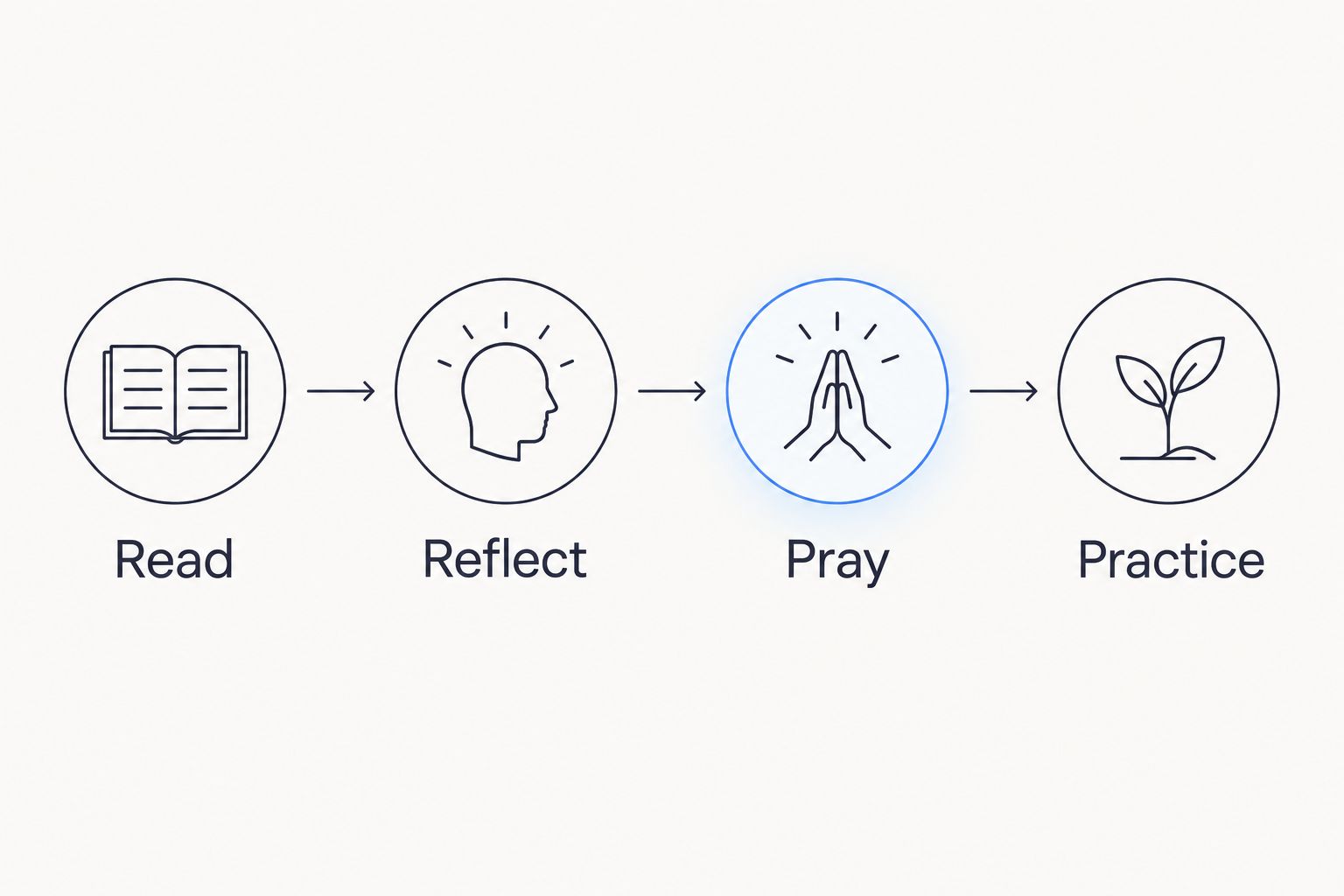
A highlighted page is not the same as a changed habit. Use this simple sequence with whichever book you choose for 2026.
Read
Start with 1 chapter or a manageable section. Set aside 10 minutes as a suggested starting point, not a requirement for spiritual growth.
Reflect
Name the idea that meets your actual life. Are you avoiding honesty, expecting someone to read your mind, or struggling to receive care?
Pray
Bring that specific concern to God. Use Scripture in context rather than searching for a verse that justifies the response you already want.
Practice
Choose 1 action: offer an apology, make an invitation, listen without interrupting, or state a boundary clearly. Keep the action within your responsibility.
Which Christian friendship book should you choose?
Start with Made for Friendship if you are undecided. Its central subject matches the broad question behind this guide: what is Christian friendship for?
Choose Princesses! when sisterhood and self-love are your focus. Choose Find Your People for community, Messy Beautiful Friendship for disappointment, The Life-Giving Table for hospitality, or Spiritual Friendship for questions of committed companionship and celibacy.
You do not need every book. Choose the question you are ready to face honestly, then give the reading enough attention to affect how you treat someone.
FAQ
What’s the best Christian book on sisterhood and friendship in 2026?
Made for Friendship by Drew Hunter is the default choice for understanding Christian friendship. Princesses! by Dona LaTarsha Nesbit is the more focused choice for faith-based sisterhood and self-love.
Which Christian friendship book is specifically for women?
Princesses! addresses women and girls through faith-based sisterhood and self-love guidance. Messy Beautiful Friendship by Christine Hoover also centers friendship among women, with attention to its difficulties.
Is Find Your People better than Made for Friendship?
Find Your People is the better fit for questions about building community, while Made for Friendship is the better fit for understanding friendship’s Christian significance. Choose according to your present need rather than treating one title as better for everyone.
What should I read after a friendship disappointment?
Messy Beautiful Friendship by Christine Hoover is the most directly matched recommendation here. Read alongside honest reflection about whether the relationship needs a conversation, adjusted expectations, or a boundary.
Does forgiveness mean I have to trust a friend again immediately?
Forgiveness does not require immediate trust or unrestricted access to your life. Rebuilding trust involves honesty and trustworthy behavior; prayer does not remove the need for discernment.
Can a Christian friendship book work for a women’s group?
A Christian friendship book can provide a shared subject for a women’s group. Agree on the reading focus, allow women to pass on personal questions, and do not pressure anyone to disclose private relationship details.
What does Stillseald’s Princesses! focus on?
Stillseald’s Princesses! is a faith-based ebook by Dona LaTarsha Nesbit focused on sisterhood and self-love. It includes prayers, stories, and practical guidance for women and girls.
One last thing
The friend you need to understand more deeply is not always the friend you need to contact immediately. Sometimes your next faithful step is listening; sometimes it is taking responsibility; sometimes it is keeping a boundary without bitterness.
Before you close your chosen book, name that step. Sisterhood becomes practical when you stop asking only what friendship should give you and start considering what truth and love require of you.